At A Glance
- Two girls from Aksum, Ethiopia, were born conjoined at the head. They were transferred to St. Louis for cranial separation surgery, one of the most complex and rare pediatric procedures performed in the United States. Craniopagus twins occur in about 1 in 2.5 million live births, and account for only 2% to 6% of all conjoined twins.
- Ranken Jordan is one of the medical partners involved in the girls’ separation journey, leading on their care before and after their time in the acute care setting.
- Ranken Jordan’s Care Beyond the BedsideⓇ care model has been critical to supporting the girls not just physically, but mentally and emotionally, as they deal with major life changes and being far from home.
You may have seen a big announcement in the news: 2-year-old conjoined twin girls were successfully separated in our city of St. Louis. This story and these girls’ journey is so much bigger than the headlines can convey.
Born in Aksum, Ethiopia, Hiyab and Wuhbto were born conjoined at the skull, meaning they have the extremely rare condition of craniopagus. Craniopagus twins occur in about 1 in 2.5 million live births, and account for only 2% to 6% of all conjoined twins. It was decided for the twins’ well-being moving forward that they would require cranial separation surgery, one of the most complex and rare pediatric procedures performed in the world.
I am honored to say we have been a critical partner in the twins’ journey, leading on their pre-operation care and post-operation recovery. Having Ranken Jordan in St. Louis as a rehabilitation partner is one of the reasons the girls travelled from Ethiopia to St. Louis.
As we celebrate this successful separation milestone performed by the brilliant medical and surgical team at SSM Health Cardinal Glennon Children’s Hospital, Ranken Jordan is also preparing for the road forward. The girls’ recovery in the months and years ahead is just as critical for a major surgery like this.
How Ranken Jordan Became Involved
When it was decided the girls would be separated, the nonprofit World Pediatrics led plans to bring the girls to St. Louis, a destination known for its world-class pediatric care.
The medical effort was led by SSM Health Cardinal Glennon, which served as the primary healthcare provider. We frequently collaborate with SSM so they asked us to be a partner in this community-wide effort, providing care for the girls before and after their acute medical care.
Just like SSM, we are providing all care free of charge.
We applaud our colleagues at SSM for an amazing, successful surgery, a major step in the wider world of medicine.
But for us at Ranken Jordan, the surgery was not the end of the girls’ journey, it was the beginning.
Preparing for the Twins’ Arrival
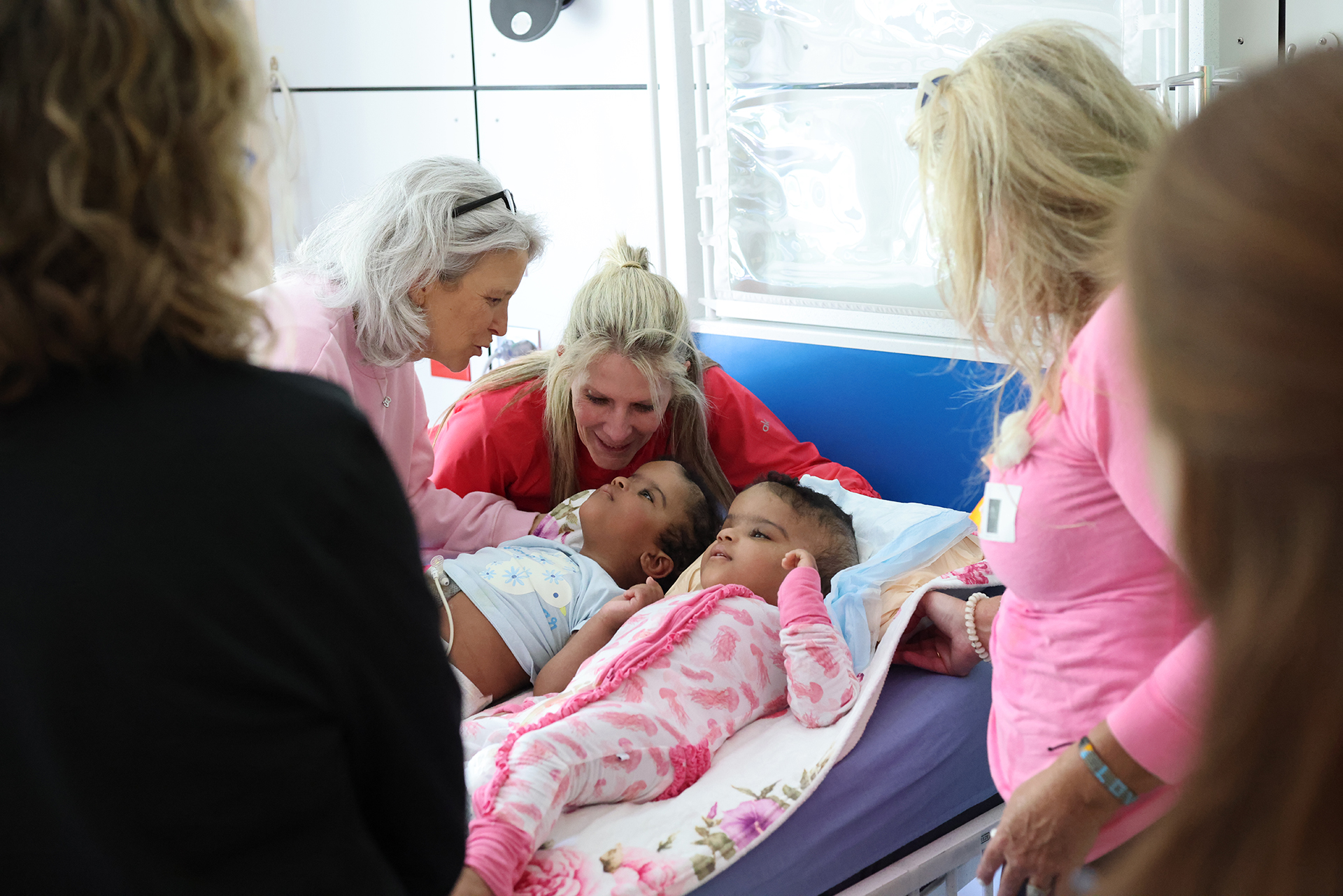
The girls did come to Ranken Jordan before their separation surgery enabling our team ample time for preparing the post surgical medical, psychological and developmental needs. There were multiple meetings to help determine plans for our approach to their care, such as how many nurses they would need, how they would be transported between hospitals, and what kind of bed they would require.
We often hear about the innovation, research, and planning that goes into a major surgery like a cranial separation, which is true. But I want to shed light on the innovative and creative preparation that goes into rehabilitation, therapy and care for these girls.
“From the very beginning, we have been thinking about these twins not as patients exclusively but as babies,” said Ranken Jordan’s lead pediatric psychologist, Claire Wallace, PhD. “These girls had their world rocked by moving from Ethiopia to St. Louis, so throughout this whole process, we’ve discussed how we would support their adjustment from a psychological standpoint. We really focused on thinking of them not as a set of medical needs, but as two little babies who are far away from home and dealing with some major changes.”
One of our greatest responsibilities in the girls’ journey has been helping them adjust to a life-changing transition. We continue to monitor their rehabilitation closely, ensuring they have every opportunity to grow, learn, and thrive just like any other children.
“We thought a lot about who would come from Ethiopia with them, how we could replicate the food they were eating, and whether we could provide access to people who speak their native language,” Wallace added.
That critical and compassionate thinking is an example of what sets Ranken Jordan apart. We focus on the whole child, their family, and the environment they’ve come from, not just their diagnoses.
How We Let Kids Be Kids at Ranken Jordan
While we pride ourselves on our innovative care model and our commitment to play, at the end of the day, all of our young patients are kids and they need the same love, care, and support any child would need.
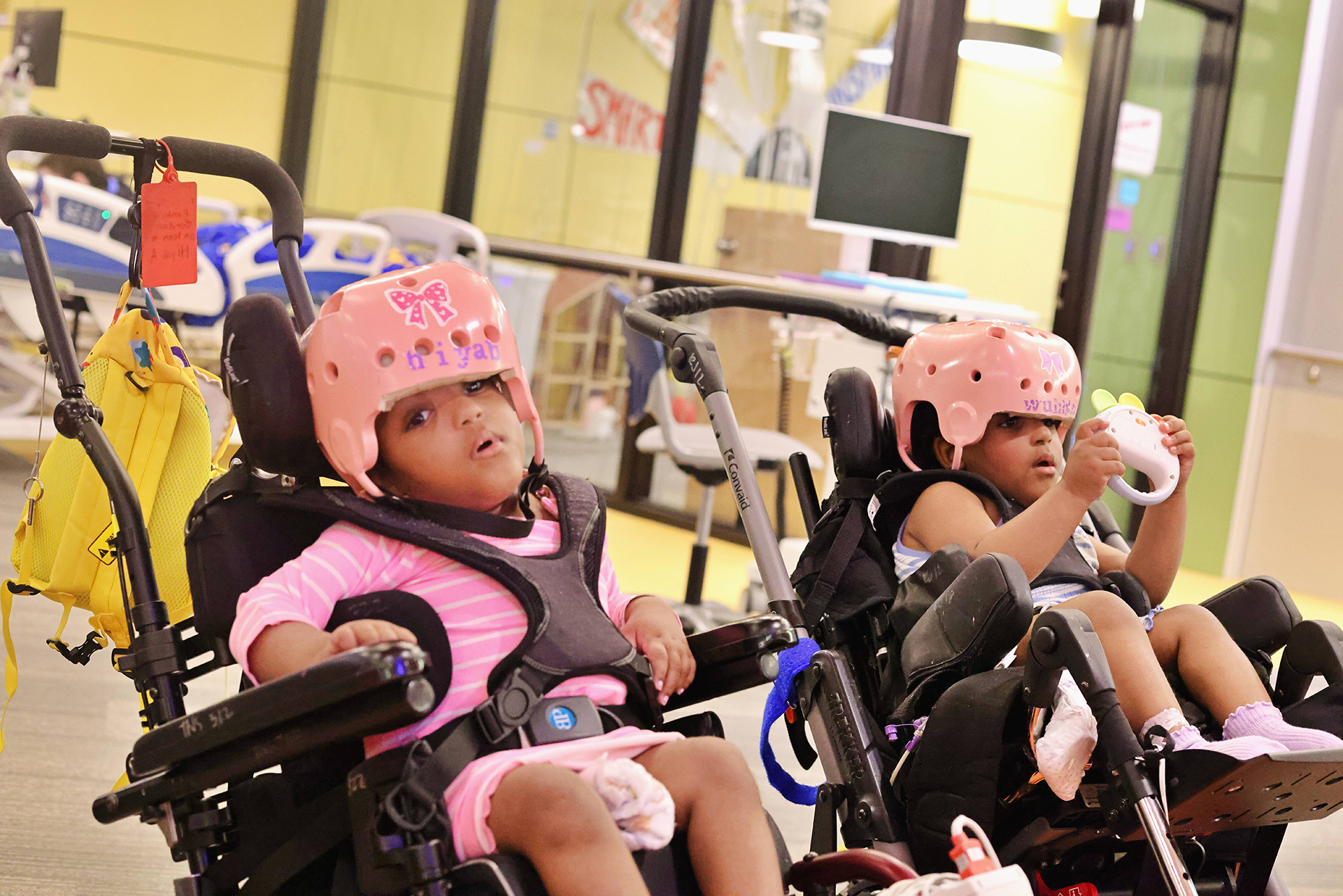
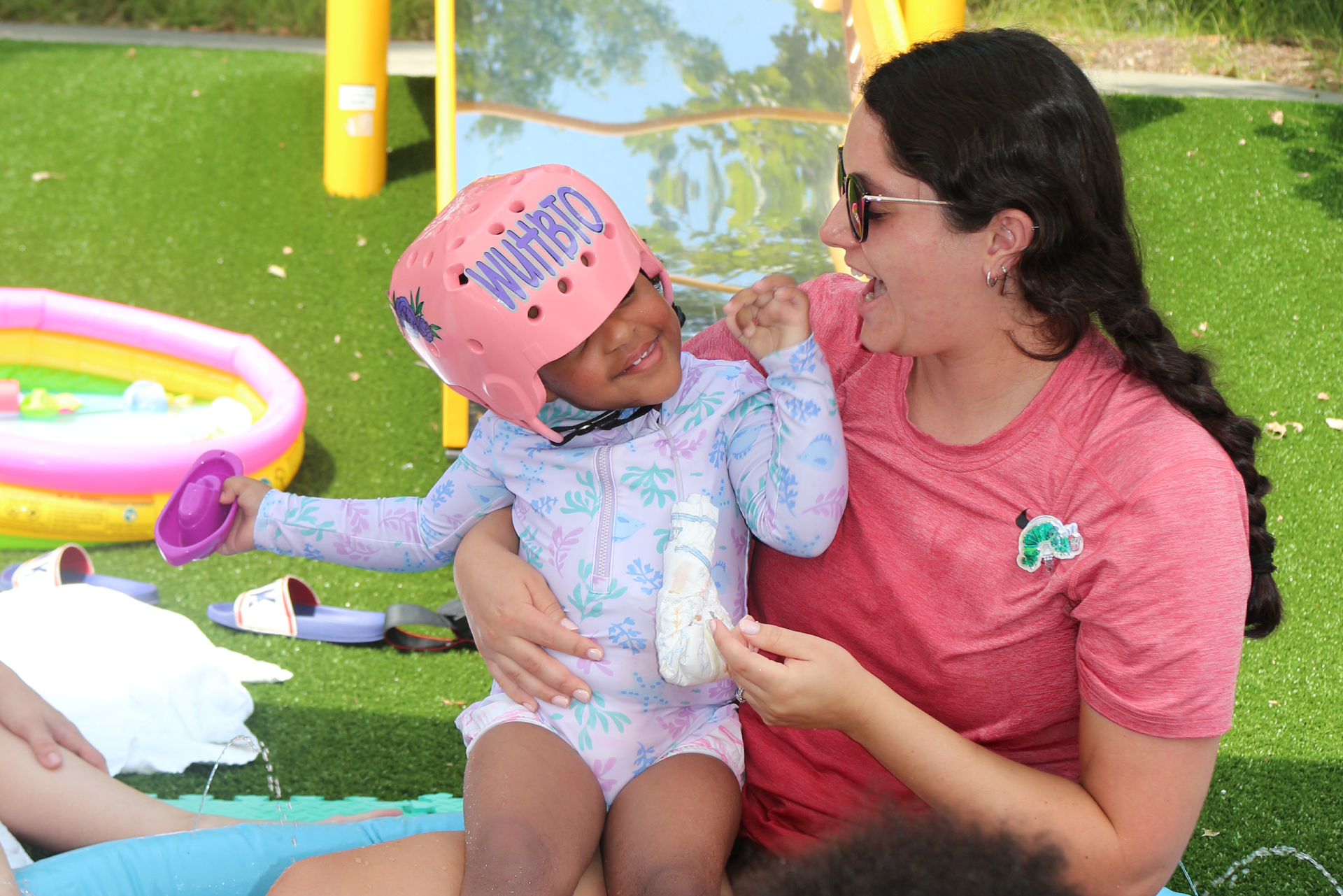
Hiyab and Wuhbto continue to take part in our OZ program, short for Optimization Zone, our innovative in-hospital program for medically complex kids age 5 and younger. In OZ they get the chance to be with kids their age, work on therapy milestones, and have plenty of space to play and learn. They also LOVE the music at OZ!
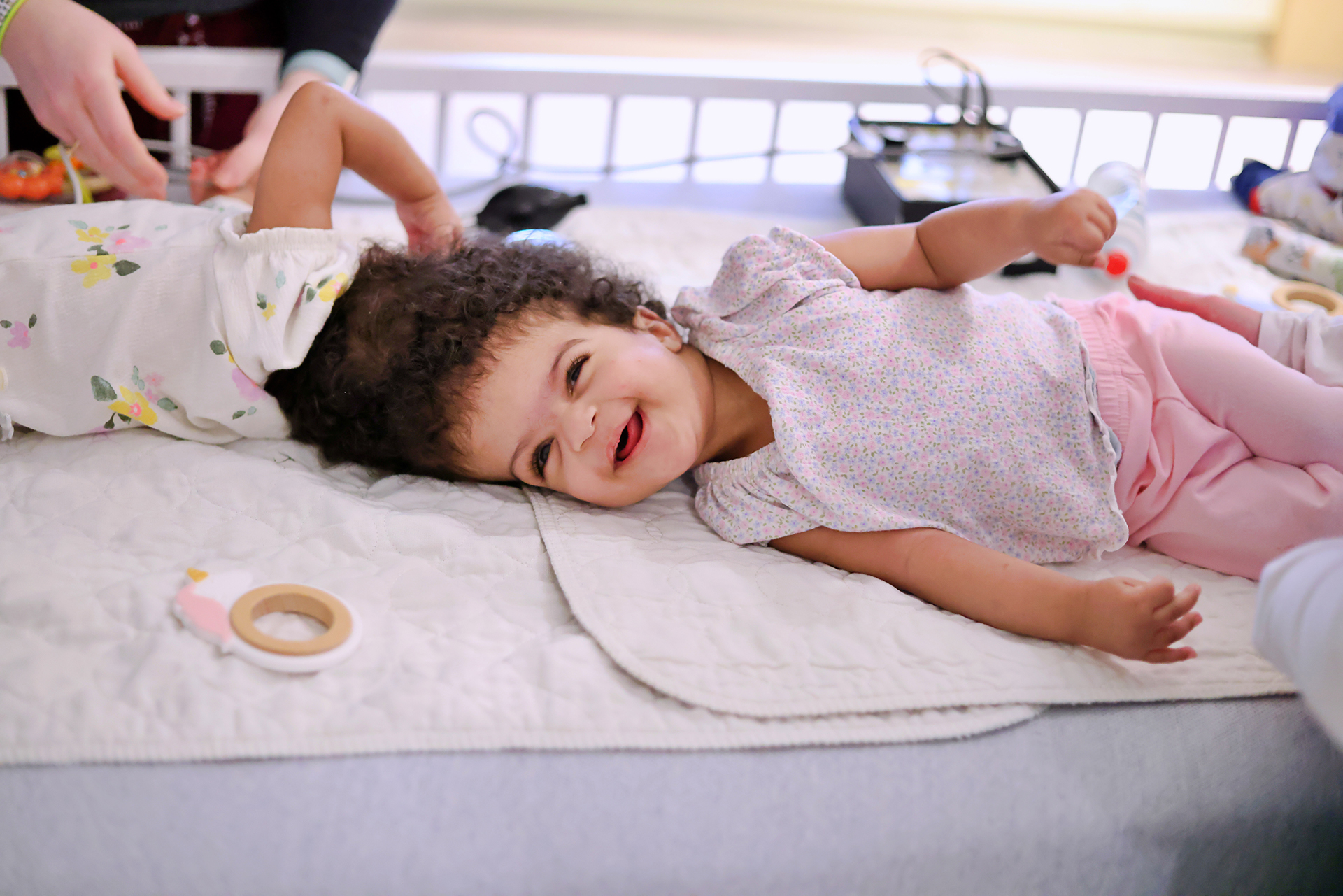
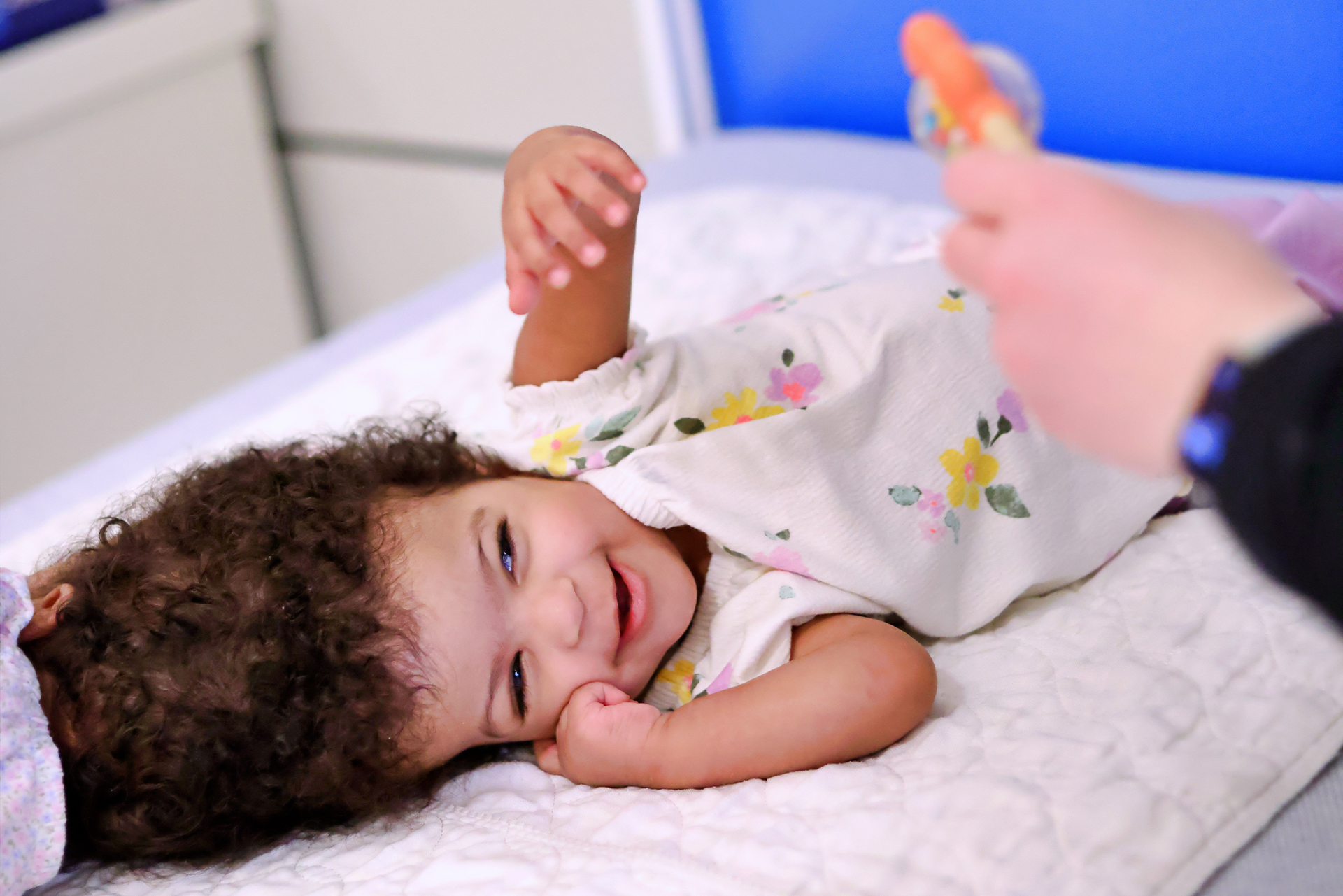
The girls’ experience at Ranken Jordan has been an example of our Care Beyond the Bedside at work. Even before the girls were separated, they had plenty of toys and time on the floor to roll around and learn about the world around them. One of the girls even tried to start crawling at that stage, taking her sister along for the ride!
Like all children we treat at Ranken Jordan, our goal is to get kids out of their hospital rooms and give them experiences all kids love and need.
While the girls have now spent more than half their lives hospitalized, Hiyab and Wuhbto do not spend their days in hospital beds. They spend almost all of their waking hours out of their beds and their rooms, taking their medical equipment with them as they experience the world from an upright position for the first time in their lives.
Both girls love taking walks, especially outside, and they even spent some time with a cow and a goat when the local petting zoo visited over the summer. They have also been on adventures away from the hospital, like a visit to the St. Louis Aquarium in September which they loved.
Only Ranken Jordan could offer the girls this amount of stimulation.
Meeting Milestones
As of this writing, the twins have a long road ahead of them as they continue to recover from their February 2026 separation surgery and subsequent surgeries and treatments that followed.
However, we continue to see major rehabilitation milestones being met. They have gone from being conjoined at the head in such a way that they were always fully reclined to now being able to sit up assisted.
They’re also starting to do all the things toddlers are known for, like refusing to take a nap–Wuhbto loves to party at naptime!
Both girls are also little celebrities at Ranken Jordan. The teenagers on our East Unit love to “babysit” and play with them, so the girls are getting a tremendous amount of interaction with other kids as well as adults, something rarely seen in a typical hospital.
How Care Beyond the Bedside is the Key to Recovery
This level of stiumlation and interaction is unique to Ranken Jordan. No acute hospital setting would provide the interaction and programming that we do.
Every minute the girls have something going on instead of nothing is the key to their recovery. We are not seeing any limits to their development right now and we are confident it is the reason the girls are doing so well after being separated.
How You Can Help
At Ranken Jordan, we care for many children from our local community and our midwest region but we love being able to help children from far beyond our city, like Hiyab and Wuhbto.
If you’re interested in supporting children like them, we encourage you to visit RankenJordanFoundation.org to donate.
Follow Along
Hiyab and Wuhbto will be with us at Ranken Jordan for the foreseeable future. We’ll be sharing updates on their progress here, so check back regularly. Or sign up for our Play-by-Play newsletter and never miss a story.